Indian burial ground trope
A horror cliché linking burial grounds to supernatural hauntings.
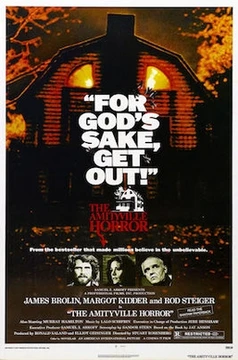
The Indian burial ground trope is a narrative device frequently used in American popular culture to explain supernatural events and hauntings. It gained popularity in the 1980s, appearing in horror films and television after its debut in The Amityville Horror (1979). Over time, the trope has become viewed as a cliché and often functions as a satirical element.
- first_appearance
- The Amityville Horror (1979)
- field
- Popular culture, horror genre
- archetypes
- Two main archetypes: haunted building on burial ground, or curse from disturbing burial ground
- cultural_origin
- Imposed upon Indigenous representations by European settlers
- known_for
- Explaining hauntings and supernatural events in American horror
Lore & Background
The Indian burial ground trope follows two main archetypes. In the first, a building erected on an ancient Indian burial ground becomes filled with evil spirits that terrorize its inhabitants, as paradigmatically shown in The Amityville Horror (1979). In the second, a person disturbs a burial ground and a curse follows them until they restore the site to its undisturbed state. Less frequently, discovering an Indian burial ground is portrayed as akin to finding treasure, as seen in Our Miss Brooks and Petticoat Junction.
Reader's Guide
The Indian burial ground trope reflects a broader pattern of Western culture stereotyping Indigenous cultures as ancient and mystical, making them suitable agents for evil spirits, bad luck, and curses. Its first appearance was in the novel The Amityville Horror (1977), allegedly based on true events. After gaining popularity in the 1980s, the trope became a source of irony and is now often used as parody. The trope does not align with actual Indigenous beliefs: most Native American cultures believe that disturbing remains prevents spirits from moving on peacefully, but they do not believe spirits return to harm the living. The Navajo, for example, want spirits to find peace in the afterlife, not to wreak havoc. The trope was largely imposed by European settlers due to ignorance and racism. Real-world desecration of Indigenous burial sites has led to legislation like the Native American Graves Protection and Repatriation Act (NAGPRA) of 1990, which protects Indigenous cultural sites and remains.
Did You Know?
- The Indian burial ground trope first appeared in the novel The Amityville Horror (1977).
- The Navajo believe a body must be properly buried so the spirit can move on, but do not believe the spirit returns to harm the living.
- The Native American Graves Protection and Repatriation Act (NAGPRA) was passed in 1990 to protect Indigenous cultural sites and remains.
- In 1998, Walmart discovered they were building a super-center on a mass grave of 154 Indigenous people, and the bodies were removed as construction continued.
More in Amityville Horror films 1-24
Spotted an error? Know more?
This is a living reference — every entry is fact-audited, and reader corrections feed straight into our audit queue. Suggest an edit · See this site's audit record